High-efficiency filtration is essential, but filtration efficiency is only part of the equation. Understanding pressure drop can help facilities make smarter decisions about airflow, equipment performance, and long-term operating costs.
When selecting commercial and industrial air filters, efficiency ratings often receive the most attention. After all, the primary function of an air filter is to capture unwanted airborne particles and protect the environments and equipment it serves.
However, another performance factor deserves equal consideration: airflow resistance, commonly referred to as pressure drop.
For facilities operating large HVAC systems, even relatively small differences in filter resistance can influence system performance over thousands of operating hours.
This is why low pressure drop air filters are an important consideration when balancing filtration efficiency with overall HVAC performance.
What Is Air Filter Pressure Drop?
Pressure drop is the difference in static air pressure measured before and after air passes through a filter.
As air moves through filter media, it encounters resistance. This resistance is typically measured in inches of water gauge (in. w.g.) or Pascals (Pa).
Every mechanical air filter creates some resistance to airflow. The objective isn’t to eliminate pressure drop entirely, but to manage it while maintaining the filtration efficiency required by the application.
Two important measurements are:
- Initial pressure drop: The resistance of a clean filter at a specified airflow rate.
- Final pressure drop: The established resistance limit at which a filter should be replaced, based on manufacturer recommendations and system requirements.
As airborne particles accumulate within the media, pressure drop generally increases.
Understanding these measurements helps facility teams evaluate filter performance throughout its service life.
Why Pressure Drop Matters for HVAC Efficiency
Commercial and industrial HVAC systems move substantial volumes of air through ductwork, filters, coils, and other components.
The fan must overcome resistance throughout the system to deliver the required airflow.
When filter resistance increases, the system may experience several effects.
1. Increased Fan Energy Requirements
In systems that actively maintain a specified airflow, additional resistance can require the fan to work harder.
Over time, higher fan energy consumption can contribute to increased operating expenses.
The actual energy impact depends on the system’s fan type, controls, and operating conditions.
2. Reduced Airflow
Some HVAC systems cannot automatically compensate for increased resistance.
As pressure drop rises, airflow may decrease, potentially affecting ventilation and heating or cooling performance.
3. Additional Operational Challenges
Excessive airflow resistance can complicate system operation, particularly in facilities with demanding ventilation requirements or limited available fan capacity.
Selecting filters with appropriate resistance characteristics helps facilities avoid unnecessary operating challenges.
Can High-Efficiency Filters Also Have Low Pressure Drop?
Yes. Although higher filtration efficiency can increase airflow resistance, filter design plays a significant role in determining actual pressure drop.
Two filters with similar efficiency ratings may have different resistance characteristics because of their media, depth, construction, and available filtration surface area.
This is where advanced filter configurations become especially valuable.
Low pressure drop air filters are designed to provide effective particle removal while minimizing unnecessary resistance at their intended operating airflow.
Some of the most important design considerations include:
Greater Media Surface Area
Increasing the available filtration media area can reduce the velocity of air passing through the media, helping limit resistance.
Optimized Pleat Geometry
Consistent pleat spacing and properly supported media help distribute airflow more effectively across the filtration surface.
Advanced Filter Media
Media composition and construction influence both particle capture efficiency and resistance to airflow.
Durable Frame Construction
A properly constructed filter helps maintain its shape and provides the fit and sealing necessary for reliable performance.
Together, these design elements can help achieve a better balance between filtration efficiency and airflow resistance.
The Advantages of High-Efficiency V-Bank Filters
V-bank filters are a common solution for applications requiring high-efficiency filtration and substantial airflow capacity.
Unlike a conventional flat-panel configuration, a V-bank filter arranges multiple filtration panels in a V-shaped design within a rigid frame.
This configuration increases the available filtration surface area within a relatively compact footprint.
The additional media area can help reduce airflow resistance while supporting higher levels of particulate filtration.
At Engineered Filtration Systems (EFS), our high-efficiency V-bank filter options are developed for demanding commercial and industrial applications.
Depending on the model, EFS V-bank filters offer features such as:
- High-efficiency particulate filtration
- Low initial pressure drop
- Increased filtration media surface area
- Lightweight, durable construction
- Moisture-resistant filter media options
- Designs suited for high-velocity and turbulent airflow conditions
These characteristics make V-bank filters worth considering for facilities seeking dependable filtration performance without unnecessary airflow restrictions.
Choosing Low Pressure Drop Air Filters for Your Facility
Selecting the right filter involves more than comparing efficiency ratings or initial purchase prices.
Facility managers and engineers should evaluate the filter in the context of the complete HVAC system.
Consider the following factors:
Required Filtration Efficiency
Determine the appropriate particulate removal requirements based on the facility, equipment, and applicable standards.
Operating Airflow
Compare filter performance data at the actual airflow rate expected in the application.
Initial and Operating Pressure Drop
Review manufacturer specifications and resistance curves. A lower initial pressure drop is useful, but pressure drop throughout the filter’s service life also matters.
Environmental Conditions
Humidity, airborne contaminants, temperature, and operating conditions can affect filter selection and service life.
Maintenance and Replacement Costs
Evaluate the total cost of ownership, including filter purchases, replacement labor, energy implications, and expected service intervals.
A filter with a higher initial price may offer better overall value if it delivers suitable efficiency and lower long-term operating costs.
However, actual savings should always be evaluated against the facility’s operating conditions.
Applications Where Airflow Performance Is Critical
Low pressure drop air filters can be particularly valuable in facilities with high airflow demands or continuous HVAC operation.
Examples include:
- Commercial buildings: Supporting ventilation and HVAC performance across large occupied spaces.
- Hospitals and healthcare facilities: Helping maintain specified airflow and filtration requirements in sensitive environments.
- Industrial and manufacturing operations: Supporting equipment protection and air handling in demanding operating conditions.
- Data centers: Helping maintain airflow through systems that support temperature control and critical equipment.
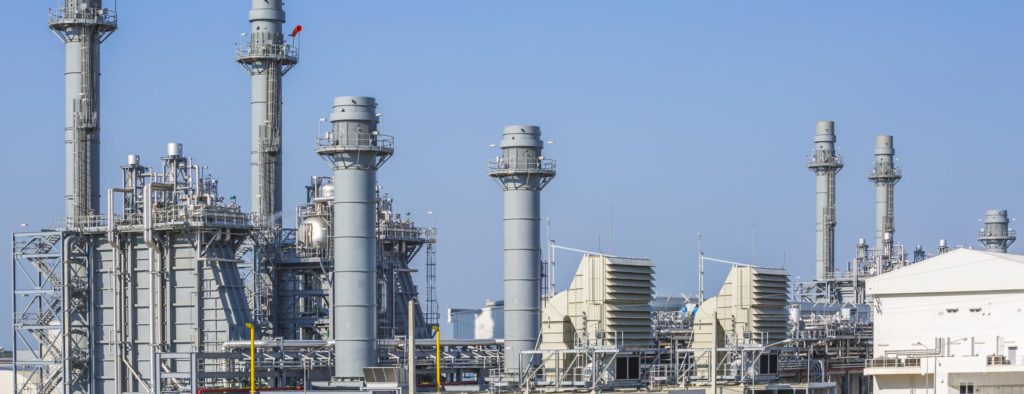
- Gas turbine air inlet systems: Supporting filtration while managing inlet airflow resistance.
Each application has unique requirements. Selecting the appropriate filter design is essential for maintaining reliable performance.
Looking Beyond the Initial Filter Cost
The lowest-cost filter isn’t always the most economical choice.
For facilities with large air handling systems, filter performance can influence energy requirements, service intervals, and ongoing maintenance costs.
This makes it important to consider overall operating value rather than purchase price alone.
By evaluating filtration efficiency, pressure drop, media design, and expected service life together, facilities can make better-informed purchasing decisions.
The right filtration solution isn’t simply the one that captures the most particles. It’s the one that meets the application’s filtration requirements while supporting efficient system operation.
Engineered for Airflow. Designed for Performance.
At Engineered Filtration Systems, we recognize that effective air filtration requires a careful balance between efficiency, airflow, durability, and cost.
Our range of commercial and industrial filtration products includes high-efficiency V-bank filters, HEPA filters, pocket filters, cartridge filters, and other solutions designed for demanding applications.
Whether you’re reviewing an existing filtration system, evaluating high-efficiency upgrades, or searching for low pressure drop air filters, EFS can help you explore products suited to your operating requirements.
High efficiency. Low resistance. Reliable performance.
Discover our high-efficiency V-bank filters or visit www.engineeredfiltrationsystems.com to learn more about our commercial and industrial filtration solutions.