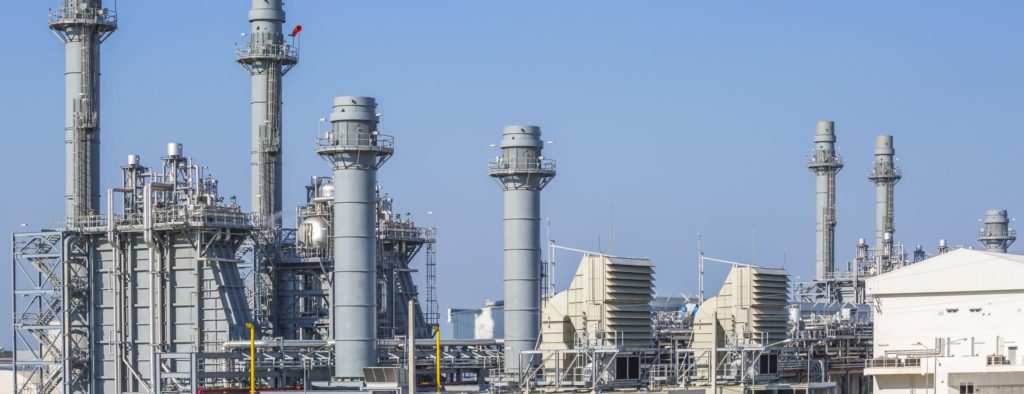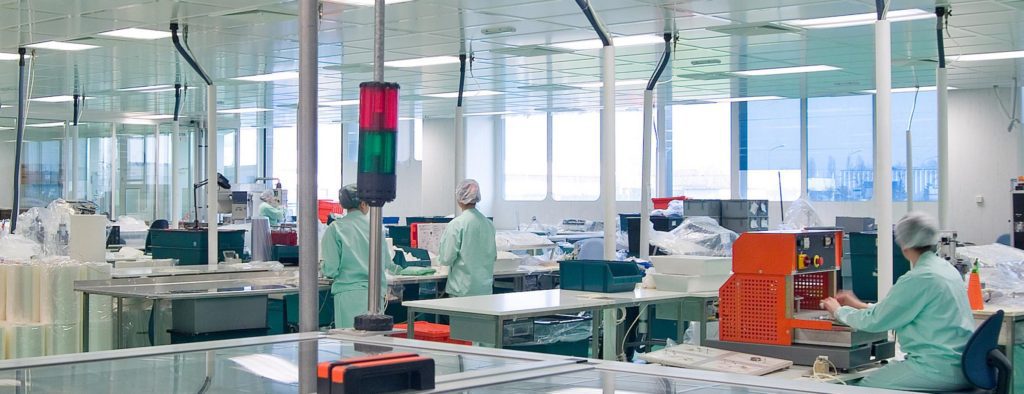
Wildfire smoke can create serious indoor air quality challenges for commercial and industrial facilities. As smoke moves through outdoor air intakes, HVAC systems, loading docks, open doors, and other building entry points, facility teams may quickly find themselves dealing with odors, fine particulates, and gas-phase contaminants inside the building.
For hospitals, laboratories, clean rooms, commercial buildings, industrial facilities, schools, and manufacturing environments, indoor air quality is more than a comfort issue. It can impact occupant health, sensitive equipment, production environments, and overall building performance.
That is why activated carbon filtration can be an important part of a stronger air filtration strategy during wildfire smoke events.
Why Wildfire Smoke Creates IAQ Challenges
Wildfire smoke is a complex mixture of particles, gases, and odors. Standard particulate filters are important for capturing airborne particles, but smoke-related odors and certain gas-phase contaminants may require an additional layer of filtration support.
During periods of heavy smoke, facilities may experience:
Lingering smoke odors inside the building
Increased complaints about indoor air quality
Faster filter loading
Higher demand on HVAC systems
Odors entering through rooftop air intakes
Concerns around sensitive spaces, equipment, or processes
While no single filter solves every indoor air quality challenge, using the right combination of particulate filtration and activated carbon filtration can help facilities respond more effectively.
What Is Activated Carbon Filtration?
Activated carbon filtration uses carbon-loaded media to help adsorb certain odors, gases, and airborne contaminants. Unlike standard mechanical filtration, which is primarily designed to capture particles, activated carbon works through adsorption. This means certain molecules adhere to the surface of the activated carbon media.
In HVAC applications, activated carbon filtration is commonly used to help reduce odors and gas-phase contaminants from sources such as:
Wildfire smoke
Vehicle exhaust
Diesel fumes
Cooking odors
Industrial processes
VOCs
Outside air pollution
Smoke-related odors
For facilities affected by California wildfire smoke, activated carbon filtration can help improve the overall indoor air quality strategy when odor and gas-phase concerns become a major issue.
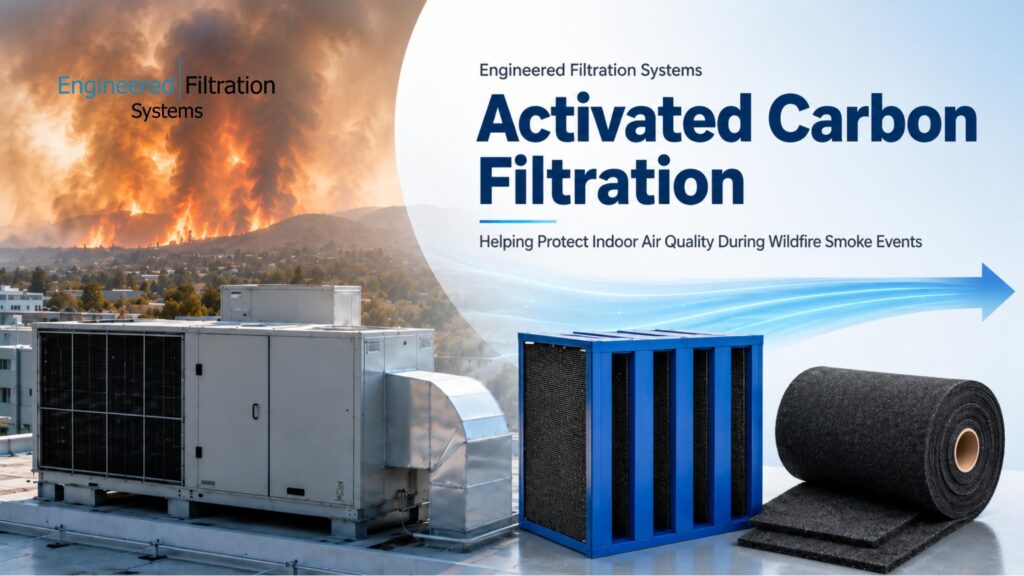
Carbon V-Bank Filters for High-Airflow HVAC Systems
Engineered Filtration Systems manufactures activated carbon filter solutions for commercial and industrial HVAC applications, including carbon-loaded V-bank filters.
Carbon V-bank filters are designed for high-airflow systems where facilities need a balance of filtration performance, airflow, and service life. Their extended surface design allows for more media area within a compact filter footprint, making them useful in many existing HVAC systems.
EFS activated carbon V-bank filters are designed to support applications where odor control, gas-phase filtration, and particulate removal are needed in demanding environments.
These filters can be used in facilities such as:
Hospitals and healthcare buildings
Laboratories
Commercial office buildings
Museums
Airports
Schools and universities
Manufacturing plants
Industrial facilities
During wildfire smoke events, carbon V-bank filters may be a valuable option for facilities looking to add activated carbon filtration into their HVAC system without completely redesigning their air handling setup.
Activated Carbon Media Rolls and Custom-Cut Pads
Not every air handling system uses the same filter configuration. Some facilities require custom sizing, specialty media, or flexible filtration options that can be adapted to existing equipment.
EFS activated carbon media is available in roll form and can be cut into pads or custom shapes for specific applications. This makes it a practical option for facilities with non-standard air handling systems, rooftop intakes, equipment protection needs, or temporary IAQ concerns.
Activated carbon media can be especially useful for:
Rooftop air intakes
Loading dock areas
Commercial kitchens
Hospitals
Food manufacturing facilities
Industrial installations
Areas affected by smoke odors
Custom filtration projects
For wildfire smoke conditions, activated carbon media can provide facility teams with a flexible tool to help address smoke odors and outside air pollution entering the building.
Why Filter Selection Matters During Wildfire Season
During wildfire season, facilities often react after smoke has already impacted the building. By that point, filters may load faster, odors may already be present, and indoor air quality complaints may increase.
A better approach is to prepare before heavy smoke events occur.
Facility teams should review:
Current filter efficiencies
System airflow requirements
Filter rack condition
Available filter inventory
Activated carbon options
Outdoor air intake locations
Pressure drop limitations
Replacement schedules during smoke-heavy conditions
Selecting the wrong filter can create airflow restrictions, performance issues, or unnecessary operating costs. Selecting the right filtration strategy can help support cleaner air, better odor control, and more reliable HVAC operation.
Supporting Commercial and Industrial Facilities
Engineered Filtration Systems manufactures filtration products for a wide range of commercial and industrial applications. From activated carbon filters and carbon-loaded media to high-efficiency filters, V-bank filters, HEPA filters, pocket filters, and specialty filtration products, EFS is built to support demanding environments where air quality matters.
For wildfire smoke events, EFS can help distributors, contractors, and facility teams source filtration products designed for real-world IAQ challenges.
Whether the goal is odor control, gas-phase filtration, particulate filtration, or a layered approach that combines multiple products, choosing the right filtration partner matters.
Cleaner Air Starts With the Right Filter
Wildfire smoke is unpredictable, and indoor air quality challenges can change quickly. Facilities that prepare early with the right filtration products are better positioned to respond when smoke, odors, and airborne contaminants become a concern.
Activated carbon filtration can be an important part of that preparation.
Engineered Filtration Systems is here to support commercial and industrial facilities with reliable air filtration products for cleaner indoor environments and stronger HVAC performance.
Contact Engineered Filtration Systems today to learn more about activated carbon filtration options for wildfire smoke, odor control, and commercial HVAC applications.